pomodoro technique
Pomodoro Technique: A Complete Guide
The Pomodoro Technique is one of the most popular productivity methods in the world. Here's a complete guide, the original method, the variations that actually work, and the common mistakes that kill the habit.
What Is the Pomodoro Technique?
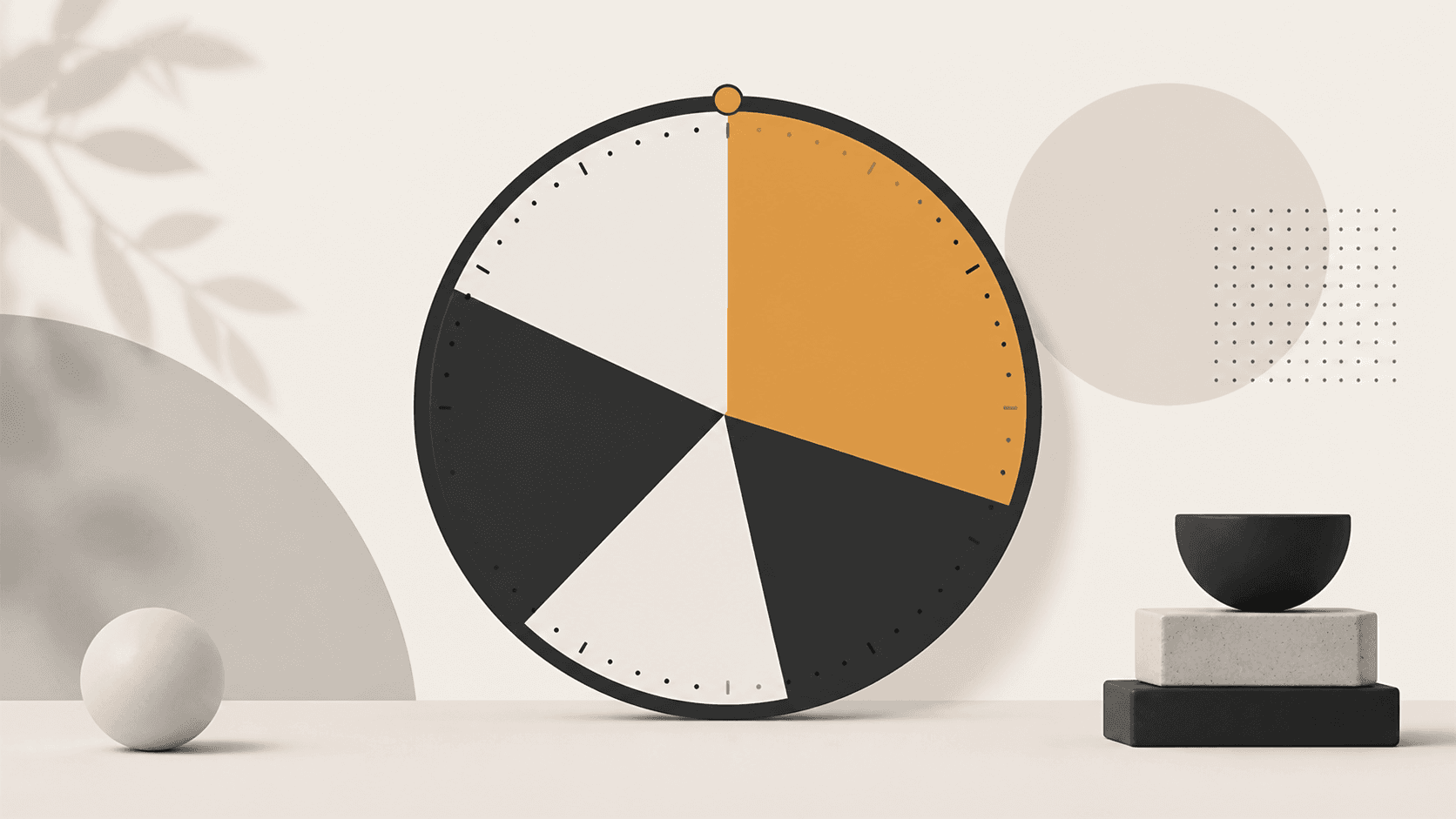
The Pomodoro Technique is a time management method developed by Francesco Cirillo in the late 1980s. The core structure: work for 25 minutes on a single task (a 'pomodoro'), take a 5-minute break, then repeat. After four pomodoros, take a longer break of 15–30 minutes. The name comes from the tomato-shaped kitchen timer Cirillo used as a university student, 'pomodoro' is Italian for tomato.
The method has endured for decades because it addresses two of the most common focus problems: the difficulty of starting a task (the timer creates a defined commitment, just 25 minutes) and the inability to sustain attention without breaks (the forced break prevents the gradual quality degradation that comes from prolonged focus without recovery).
The Original Method: Step by Step
Choose a single task
Before starting the timer, define exactly what you're working on. Not 'work on the project', a specific output: 'write the introduction section' or 'fix the login bug'. This clarity is as important as the timer itself.
Set a timer for 25 minutes
A physical timer is better than a phone for two reasons: it's visible (you can see time passing), and it's not the same device your notifications live on. The Pomodoro app, a kitchen timer, or a dedicated focus timer all work.
Work exclusively on that task until the timer rings
Any interruption, internal (a thought about another task) or external (a message), gets captured in a list and addressed after the session. The discipline of returning to task after a capture is the skill being trained.
Take a genuine 5-minute break
Not a 'break' where you check Instagram. Stand up, walk around, look out a window, breathe. Physical movement during the break accelerates attentional recovery. Scrolling on a screen extends the cognitive load rather than releasing it.
Repeat, then take a long break after 4 sessions
After four pomodoros (roughly 2 hours of work including short breaks), take a 15–30 minute break. This aligns with the ultradian rhythm, the 90–120 minute brain cycles that govern sustained mental performance.
Want to try this right now instead of setting up your own timer? Xenith's free Pomodoro timer runs this exact 25/5 cycle with ambient sound built in, no signup required.
The Science Behind Why It Works
The 25-minute duration sits below the threshold where attention begins to noticeably degrade for most people. It's also short enough that the psychological barrier to starting is low, almost no one finds '25 minutes' too intimidating to begin. Combine this with the Zeigarnik effect (incomplete tasks stay active in working memory, creating motivation to return) and the deliberate rest periods, and you have a system that aligns with how the brain actually works rather than fighting it.
Pomodoro Variations That Work Better for Some Tasks
| Variation | Work Block | Short Break | Best For |
|---|---|---|---|
| Classic Pomodoro | 25 min | 5 min | Most tasks, beginners |
| Extended focus | 50 min | 10 min | Deep creative or technical work |
| Short sprint | 15 min | 5 min | Tasks with high initiation resistance (ADHD, low-energy days) |
| 52/17 | 52 min | 17 min | Based on DeskTime research on high-performers |
| 90-minute block | 90 min | 20–30 min | Aligned with ultradian rhythms for flow state work |
Common Mistakes
- Treating a distraction as a failed session, capture it, return to work; recovery is the skill
- Checking your phone during the 5-minute break, this prevents real attentional recovery
- Using the technique for meetings or collaborative work, it's designed for solo focus tasks
- Running too many sessions without a long break, brain depletion compounds quickly without genuine recovery
- Varying the session length constantly, the predictability of 25 minutes is part of what makes it work
- Splitting the session across two different tasks, one task per session is the core rule
Frequently Asked Questions
Why 25 minutes specifically?
Cirillo chose 25 minutes because it was the interval on his kitchen timer and it matched his subjective experience of sustained focus. Coincidentally, it sits within the range cognitive science identifies as effective for most people's natural attention span before noticeable quality decline. You can adjust it, 30 or 50 minutes works for many people, but start with 25 to build the habit.
Is the Pomodoro Technique the same as a focus session?
Related but distinct. The Pomodoro Technique is a specific 25/5 minute structure that's repeated in cycles. A focus session is a broader concept, a bounded time block on a single task, that can vary in length and structure. Xenith's focus sessions use the same core principle (single intention, timer, review) but allow flexible durations and include session logging, goals, and ambient audio.
What's the best Pomodoro app?
Xenith includes a built-in focus timer with ambient audio (brown noise, rain, lo-fi) and session logging. For dedicated Pomodoro apps: Forest (adds phone-blocking with a gamified tree mechanic), Session on Mac (menubar integration, break scheduling), and Be Focused (simple, no subscription) are the strongest options.
Put it into practice in Xenith
Keep reading
Focus Sessions That Stick: The Complete 25-Minute Protocol
A deep guide to running 25-minute focus sessions that build momentum, reduce decision fatigue, and compound into real output over time.
Time Blocking: The Complete Guide to Scheduling Your Day for Maximum Output
Time blocking turns your calendar from a meeting graveyard into a productivity system. Here's exactly how to implement it, what blocks to create, and how to protect them.
Best Focus Timer Apps in 2026
Not all focus timer apps are built the same. Some are just clocks; the best ones log sessions, reduce distractions, and help you build a focus habit over time.
Xenith Review: A Focus Timer for Daily Discipline
Xenith's Focus Timer isn't just a countdown. It's a session logger built around frequency instead of streaks. Here's what it's actually like to use, and where a dedicated Pomodoro app still wins.